

TDOH reports some tick-borne illnesses on the rise
 NASHVILLE – Summer is the peak time for people to be bitten by ticks and mosquitoes, which may carry diseases that can infect humans. The Department of Health tracks cases of these diseases and has noted a recent increase in human cases of Rocky Mountain Spotted Fever and Ehrlichiosis, both of which are transmitted through tick bites. TDOH urges Tennesseans to follow commonsense precautions to protect themselves and help reduce the risk of illness.
Statistics from the TDOH Communicable and Environmental Diseases Services show a moderate increase of 65 confirmed cases of Rocky Mountain Spotted Fever statewide for this year, compared to 46 for the same period last year. CEDS also reports 17 confirmed cases of Ehrlichiosis statewide so far this year, compared to 14 for this time in 2008.
“Increases in these illnesses typically occur during the summer months. The increased number of cases this year compared to last year is a reminder of the importance of preventing tick bites and controlling ticks around our homes,” said John Dunn, DVM, PhD, public health veterinarian with TDOH. “If you do find a tick on your skin, removing it promptly will reduce your risk of illness.”
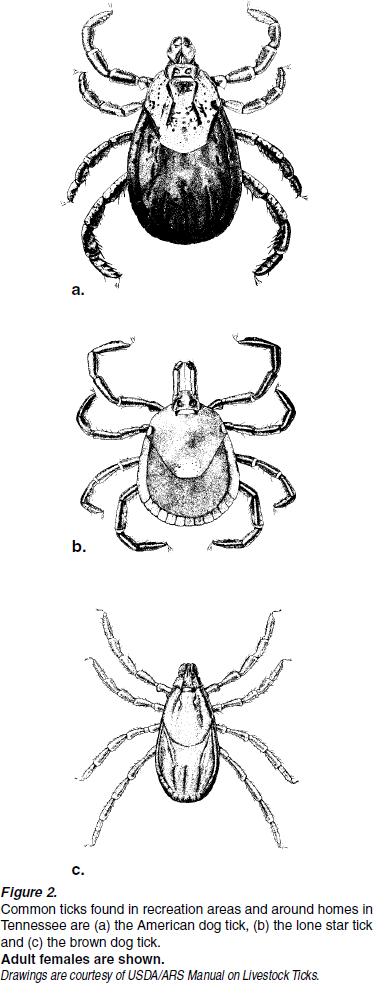
Ticks are common in Tennessee, and can be found on lawns and in household landscaping as well as wooded areas. These precautions can help you protect yourself in environments where ticks are present:
- Wear light-colored clothing to help you spot ticks that may be crawling on you.
- Tuck pants into socks to keep ticks off your legs.
- Apply EPA approved repellents to discourage tick attachment. Repellents containing permethrin can be sprayed on shoes and clothing and will last for several days. Repellents containing DEET can be applied to skin, but must be reapplied every few hours. Follow label instructions for repellents.
- Search your entire body for ticks upon return from a potentially tick-infested area. Remove any tick you find on your body; grasp with tweezers and pull straight back if the tick is attached.
- Check children for ticks, especially in their hair, when returning from potentially tick-infested areas.
- Ticks may also be carried into your home on clothing and pets, so examine both carefully.
- Reduce tick habitats around your home by removing leaf litter and brush.
Rocky Mountain Spotted Fever is the most serious illness caused by ticks in the United States. Symptoms usually appear five to 10 days after a tick bite, and may resemble symptoms of other diseases. Initial symptoms of RMSF can include fever, nausea, vomiting, muscle pain, lack of appetite and severe headache. Later symptoms may include rash, abdominal pain, joint pain and diarrhea. RMSF can be a serious illness, and is best treated with antibiotics.
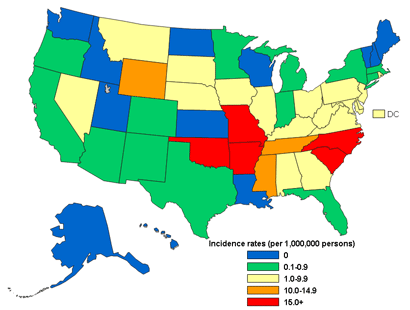
Ehrlichiosis is the general name used to describe several bacterial diseases that affect animals and humans. In the U.S., these diseases are transmitted by the bite of an infected tick. The symptoms of ehrlichiosis are similar to those of many other illnesses. Initial signs and symptoms generally include fever, headache, fatigue and muscle aches. Other symptoms may include nausea, vomiting, diarrhea, cough, joint pains, confusion and occasionally rash. Symptoms typically appear five to 10 days following the tick bite. It is possible that many individuals who become infected with ehrlichiae bacteria do not become ill or develop only very mild symptoms. Ehrlichiosis can be treated with antibiotics.
For more information on preventing tick-borne illness, visit the Centers for Disease Control and Prevention Web site at http://www.cdc.gov/ticks/index.html.
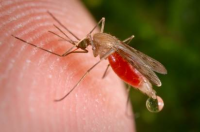
Tennesseans should also take precautions to protect themselves from West Nile Virus and other diseases transmitted by mosquito bites. Most mosquitoes likely to transmit WNV bite at dawn and dusk. The best way to prevent WNV infection is to avoid mosquito bites.
These simple tips can help.
- If you must go outside during dawn and dusk, use insect repellent or wear long sleeves, long pants and socks.
- Eliminate standing water near your home, which can serve as a breeding ground for mosquitoes. Many containers, even those as small as a bottle cap, can hold enough water for mosquitoes to breed.
- Keep windows and doors closed or cover them with screens to prevent mosquitoes from entering your home.
- Use insect repellent containing either DEET, Picaridin, oil of lemon eucalyptus or IR3535.
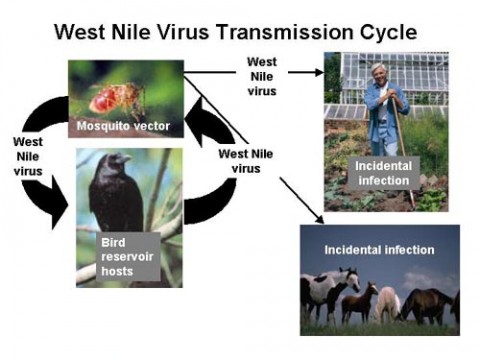
For more information about West Nile Virus, visit the TDOH Web site at http://health.state.tn.us/ceds/WNV/wnvhome.asp.