

World Rabies Day is September 28
 Nashville – The Tennessee Department of Health is working with the United States Department of Agriculture to distribute an oral rabies vaccine for raccoons along Tennessee’s borders with Alabama, Georgia, North Carolina and Virginia. The baiting program administered by USDA’s Animal and Plant Health Inspection Service, Wildlife Services program will begin Thursday, October 1, 2009.
“This is an important and effective program to prevent the spread of rabies, and we are pleased to be part of this effort to protect the health of Tennesseans,” said Health Commissioner Susan R. Cooper, MSN, RN. “This is also a good time to remind pet owners of the importance of having all rabies vaccinations current for dogs and cats to ensure their health and safety.”

Vaccine packets placed inside fishmeal blocks or coated with fishmeal will be distributed throughout a 15 county area in Tennessee. The barrier is approximately 30 to 60 miles wide and consists of about 3,400 square miles, running along the Georgia border in southeast Tennessee near Chattanooga to the Virginia/North Carolina border in northeast Tennessee. Bait distribution will be accomplished by hand baiting from vehicles in urban and suburban areas and by dropping from specially equipped airplanes in rural areas.
The oral rabies vaccine will be distributed October 1 through 10 in Carter, Cocke, Greene, Hamblen, Hawkins, Sullivan, Unicoi and Washington Counties. Bait distribution will take place from October 7 through 15 in Bradley, Hamilton, Marion, McMinn, Meigs, Monroe and Polk Counties.
“While rabies is most common in wild animals in Tennessee, it poses a risk to humans and domestic animals that come into contact with wildlife,” said John Dunn, DVM, PhD, state public health veterinarian. “Control of raccoon rabies is vital to public health and we are very supportive of this partnership with USDA Wildlife Services.”
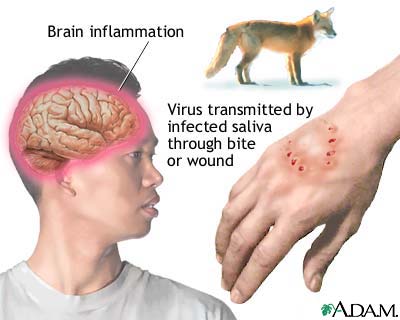
This is the eighth year Tennessee has participated in baiting with rabies vaccine to slow and possibly halt the spread of raccoon rabies. There have been 10 cases of the raccoon rabies strain in a variety of wild animals in the Northeast Tennessee region so far this year. Since raccoon rabies was first detected in Tennessee in 2003, the disease has spread much less rapidly here than has been documented in other areas.
Although the vaccine products are safe, the USDA Wildlife Services program has issued these precautions:
- If you or your pet finds bait, confine your pet and look for other baits in the area. Toss baits into a wooded or fencerow area. These baits should be removed from where your pet could easily eat them. While eating these baits will not harm your pet, consuming several baits may cause your pet’s stomach to become upset.
- Do not attempt to remove the oral rabies vaccine packet from your pet’s mouth, as you could be bitten.
- Wear gloves or use a towel when you pick up bait. While there is no harm in touching undamaged baits, they have a strong fishmeal smell. Wash your hands thoroughly with soap and water if there is any chance that the vaccine packet has been ruptured.
- Instruct children to leave baits alone.
- There is a warning label placed on each bait advising people not to touch the bait. The warning also contains the rabies information line telephone number, 1-877-RABORAL (1-877-722-6725).
For additional information concerning rabies prevention or the oral rabies vaccine program, please call the USDA Wildlife Services toll-free rabies line at 1-866-487-3297 or the Tennessee Department of Health at 1-615-741-7247. You may also find rabies information on the TDOH Web site at http://health.state.tn.us/FactSheets/rabies.htm.
As a reminder to help prevent exposure to animals that can carry rabies, the Tennessee Department of Health recommends that individuals enjoy wild animals such as raccoons, skunks, foxes and bats from a distance and keep pets up-to-date on rabies vaccination. The CDC has also launched a new Web site to help educate children about rabies. Visit the site at www.cdc.gov/rabiesandkids/.
TDOH will also take part in observances of World Rabies Day on September 28, 2009. Founded by the CDC and the Alliance for Rabies Control, the goal is to increase awareness about rabies and support for prevention and control efforts. Despite being 100 percent preventable, it is estimated that 55,000 people die worldwide from rabies each year. In the United States, some 30,000 to 40,000 people are potentially exposed to rabies and require post-exposure treatment every year. Learn more about World Rabies Day at www.worldrabiesday.org.