


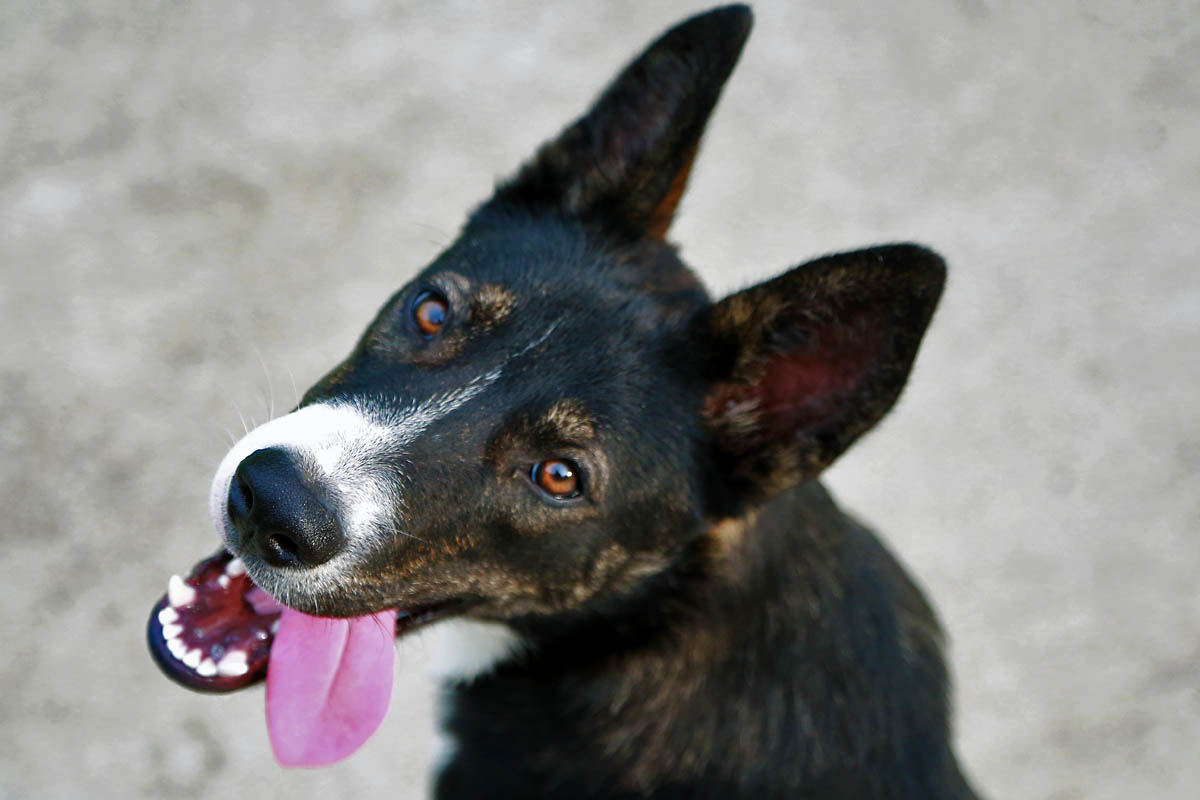
 Clarksville, TN – With a blast of arctic air moving in Monday, dangerously cold temperatures are creating serious risks for pets, and owners are urged to take extra precautions. Forecast lows are expected to plunge to 0°F, with wind chills near -11°F, making prolonged outdoor exposure unsafe for animals.
The safest place for pets during extreme cold is indoors with their family. Cats, in particular, should remain inside, away from traffic, predators, severe weather, and other outdoor dangers. At night, provide a warm sleeping space away from drafts, ideally in a pet bed or on blankets.
Even indoor pets should wear a properly fitted collar with up-to-date ID tags. Unexpected escapes can happen, and identification greatly increases the chance of a safe return.
Outdoor Safety
Pets that spend time outside need close supervision and proper shelter. A doghouse should be dry, insulated, elevated off the ground, and positioned out of the wind. It must be large enough for the dog to stand and turn around, but small enough to hold body heat. Bedding such as straw (not blankets that can freeze) helps retain warmth. Keep snow from piling along fences, as drifts can allow dogs to escape.
When temperatures fall below 20°F, dogs should be brought indoors, even with shelter. Short-haired breeds, puppies, and small dogs are especially vulnerable and should stay inside when it drops below 40°F.
Food, Water, and Exercise
Cold weather changes a pet’s energy needs. Dogs that are less active indoors may need slightly less food, while working or outdoor dogs may require more calories to maintain body heat. Fresh, unfrozen water is critical—snow and ice are not adequate hydration sources. Heated bowls can help prevent freezing.
Vehicle and Chemical Dangers
Outdoor cats may seek warmth in car engines. Before starting your vehicle, tap the hood to scare away any animal hiding underneath.
Antifreeze is another winter hazard. It tastes sweet but is highly toxic. Clean spills immediately, check for vehicle leaks, and store containers securely. Pet-safe antifreeze products are available and are a safer option.
Road salt and de-icing chemicals can irritate paws and cause illness if licked off. After walks, wipe pets’ feet and undersides with a damp cloth. Keep fur between paw pads trimmed to prevent painful ice buildup.
Watch for Frostbite
Check ears, tails, and paws for signs of frostbite, including pale, gray, or red skin and pain while walking. If suspected, warm the area gradually with towels and contact a veterinarian right away.
Extra Care for Vulnerable Pets
Puppies, senior dogs, and short-haired breeds are less tolerant of cold. No dog should be left outdoors in extreme weather, and pets should never be left alone in vehicles, which can trap cold air like a refrigerator.
As temperatures plunge, a few simple steps can make the difference between safety and serious danger. Keeping pets warm, dry, and well-monitored ensures they stay healthy through the winter chill.