

 Nashville, TN – In just a few days, thousands of students from across Tennessee will take their seats in classrooms to begin a new academic year filled with wonderful experiences and learning opportunities.
As these youngsters start opening books and mingling with friends, some will miss out on the important first few days of school, unable to attend because they aren’t properly immunized to prevent the spread of dangerous, infectious diseases.
“The beginning of the school year is a pivotal time for teachers to build a foundation to ensure a productive learning environment,” said Tennessee Department of Education Commissioner Candice McQueen. “Every moment of classroom instruction counts, so we encourage parents to carefully plan for the back to school season, ensuring that all necessary paperwork and documentation is complete, so schools can admit their student back in to the classroom without missing any valuable learning time.”
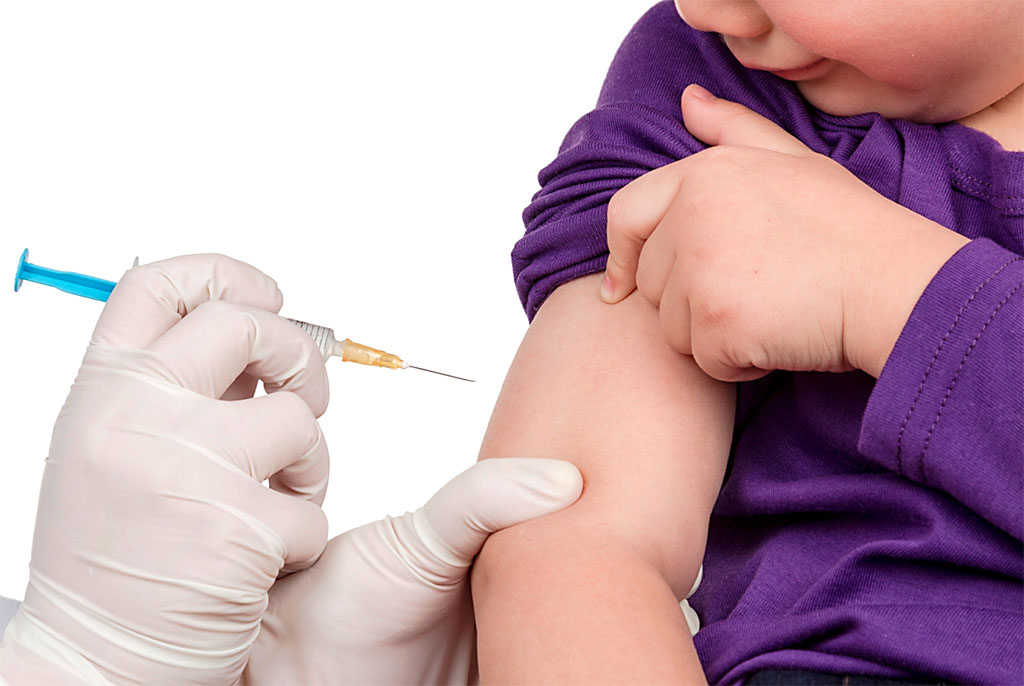
Kindergarteners and other children enrolling in a Tennessee school for the first time must provide schools with a complete Official Tennessee Immunization Certificate before classes begin. The certificate must be signed by a qualified healthcare provider or verified by the state’s Immunization Information System.
All current students entering seventh grade are required to give the school a limited Official Tennessee Immunization Certificate showing they have had a second dose of chickenpox vaccine (or a history of the illness) and a booster shot for tetanus, diphtheria and pertussis.
The HPV cancer vaccine and first meningococcal meningitis vaccine are also recommended, but not required for school, for this age group. HPV vaccine protects against human papillomavirus, which can cause cancer later in life.
All full time college students require proof of two doses of measles-mumps-rubella (MMR) vaccine and immunity to chickenpox. Incoming college students in Tennessee public colleges who will live in on-campus housing must provide proof of immunization against meningococcal meningitis after age 16.
Most private colleges also have requirements for this vaccine and some schools require it of all new students.
Immunizations required for school are readily available from most healthcare providers across the state, including county health departments. Children younger than age 19 may be eligible for free vaccine if they have no insurance, are enrolled in TennCare, have private insurance that does not cover vaccines or are American Indian or Alaska Native.The complete list of Tennessee child care and school immunization requirements is on the TDH website at www.tennesseeiis.gov and www.kidcentraltn.com
Kidcentral TN has additional information about the importance of immunizations and other helpful guidance and tips for parents. Local schools and school districts can provide information about when and how immunization certificates need to be provided.
About the Tennessee Department of Health
The mission of the Tennessee Department of Health is to protect, promote and improve the health and prosperity of people in Tennessee. TDH has facilities in all 95 counties and provides direct services for more than one in five Tennesseans annually as well as indirect services for everyone in the state, including emergency response to health threats, licensure of health professionals, regulation of health care facilities and inspection of food service establishments.
Learn more about TDH services and programs at www.tn.gov/health