


Written by Larry R. Richardson
 Clarksville, TN – It’s summertime! “Ah-chewww!” If you are like me, we sneeze due to the high concentration of pollen blowing around in the air. We are allergic to this yellow dust that covers our automobiles and everything that sits outside.
Like it or not, at least a third of what we eat depends upon this minuscule grain of pollen reaching the right place at the right time, carried by a wide variety of insects and small animals. Some fly, some crawl, and some just brush the pollen on their feathers and fur.
The sticky dust transports the genetic compounds that fertilize and reproduce to nearby plants. That means fruits, vegetables, seeds, and other edible plant material will grow and mature as food that will be consumed by humans and many other creatures. Some plants, like trees and grasses, depend on air currents (wind), to carry pollen to fertilize another grass plant. Even though plants can self-fertilize, cross-fertilization conducted by animals and wind will create a greater genetic resilience.
You may wonder how this seemingly haphazard scheme works. Early in the evolution of flowering plants, structures developed within the flower to form a seed, which could grow a new plant, Biology 101. Even some non-flowering species, like moss, developed a similar process for regeneration.
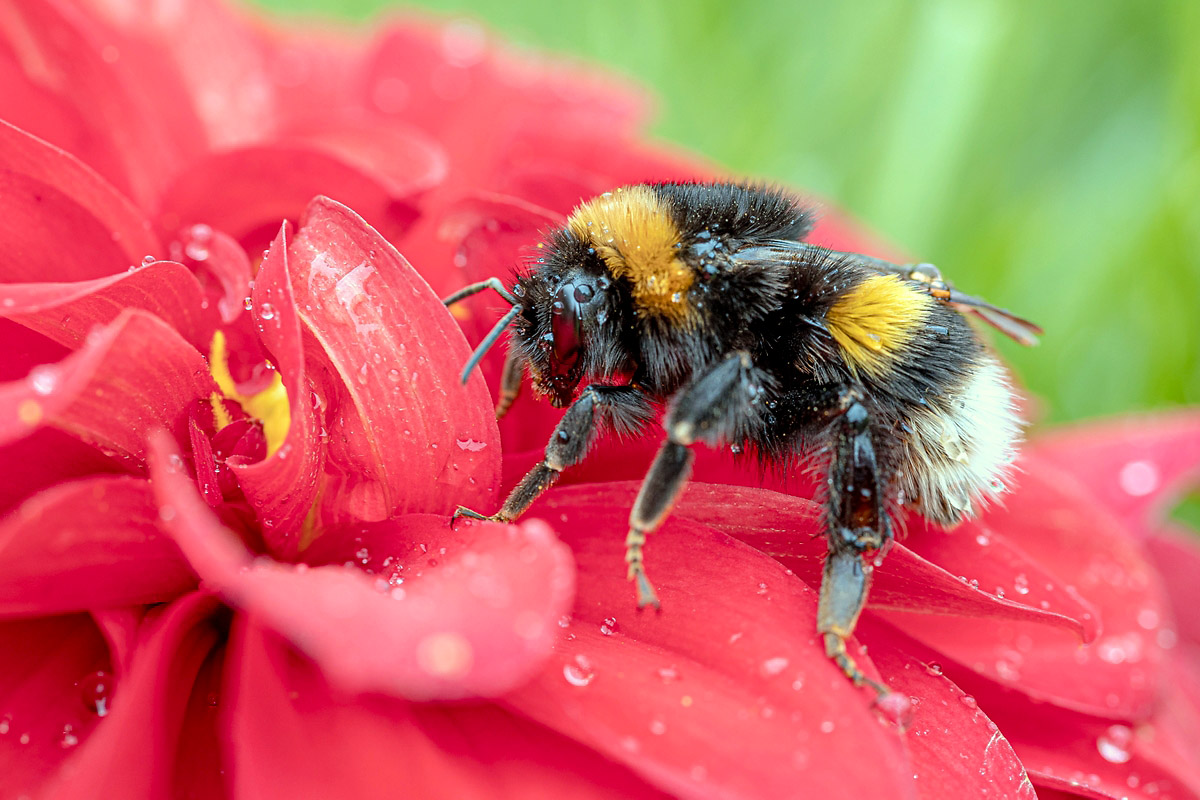
Here’s the scenario: Let’s say a bumblebee lands on a plant to gather some sweet liquid known as nectar. It shuffles around, it buzzes its wings, and jiggles some pollen, which sticks to its legs. Most flowers have multiple little thread-like filaments known as stamen, the male part of the flower where pollen resides. They surround the female organ called a pistil. When the bee flies to another flower on the same plant or another nearby plant of the same species, pollen comes off on the top of the flower’s tubular pistil.
Then pollen fertilizes tiny ovules inside the pistil chamber, growing into seeds. The results: a fruit or vegetable is formed as the swollen pistil to produce a tomato, apple, lemon, walnuts, etc. Another step further, when seeds from the fruit or vegetable are placed into moist soil, a new plant grows. That’s the simplified version of flowering plant reproduction. It all starts with pollination.
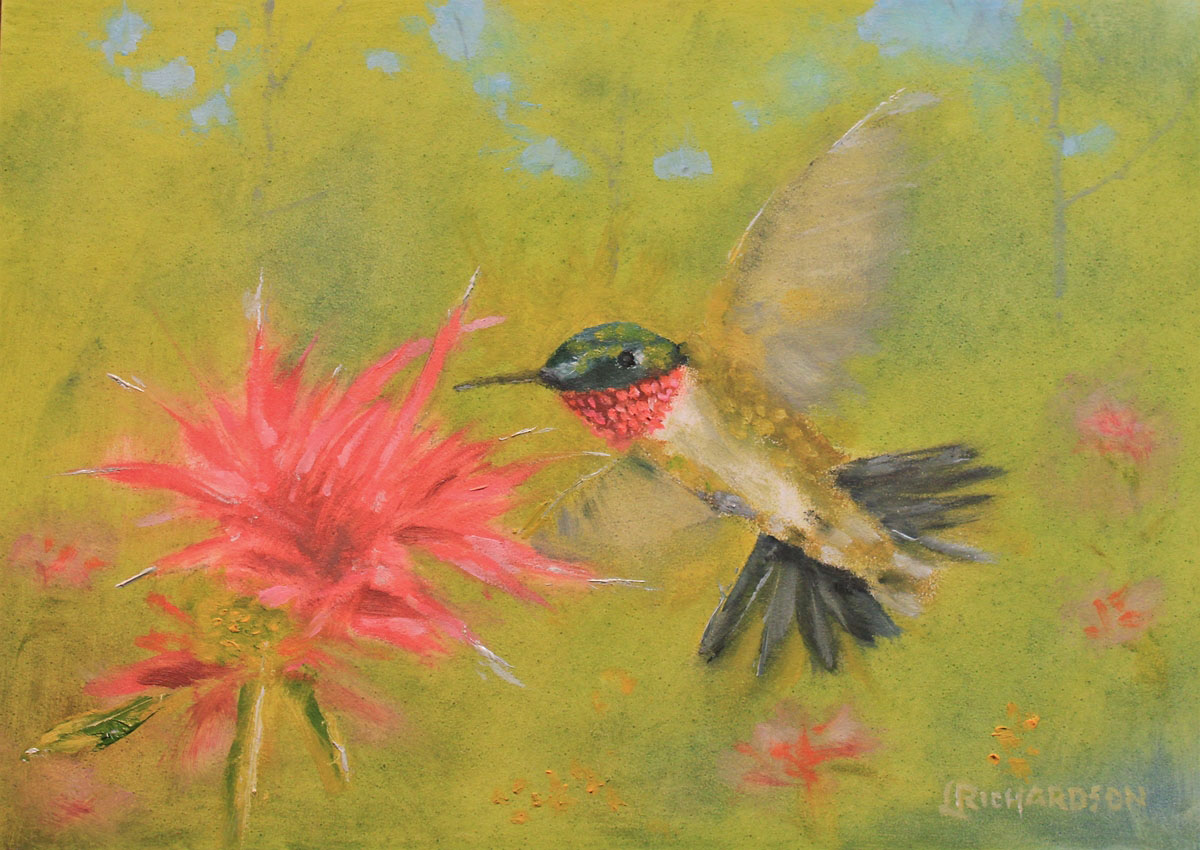
About 75% of the world’s food crops depend on pollination. Bees are the most well-known pollinators, although other insects like moths and butterflies also play an important role, along with birds such as fast-flying hummingbirds. Even nectar-feeding bats help pollinate plants at night by carrying pollen on their fur. I’m reluctant to point out that mosquitoes play a role here, too. Without pollination, many fruits, vegetables, and nuts would not exist, significantly affecting our food supply.
Aside from bees, probably the most singularly popular pollinator is the Monarch butterfly. Much has been said in recent years about this colorful species, mainly due to its extensive migratory habits. You may know that the Monarchs that hatch in Montgomery County will fly south in the fall to exotic locations. In fact, they will fly to central Mexico, a 1,500-mile journey, and overwinter for five months before making the return trip to Tennessee and other North American locations.
Monarch caterpillars require a specific plant, a perennial known as Milkweed, in order to successfully grow and mature as adult butterflies. They will absorb the plant’s toxin contained in leaves that they eat, which makes them unpleasant to predators. This helps the attractive orange butterflies survive.
However, those that hatch and mature (and die) will lay eggs and grow other generations, living only a few weeks, then the last summer generation heads into the sky for fall migration. Somehow, the migrants who have never been to Mexico before will find the same wintering spot visited by their grandparents. Cool! But how they do it remains a mystery.
Many pollinator species have experienced a decline in recent years, mainly attributed to habitat loss and to chemicals applied to nesting and feeding areas. Surprisingly, population counts this spring have shown the eastern Monarchs have increased dramatically.
So, how can you, as backyard gardeners, help pollination? Plan now because winter is the perfect time to start a native pollinator garden from seed. Mother Nature does much of the work for you. Many native wildflowers need cold weather to break dormancy and germinate successfully. Tennessee’s climate is perfect for nature’s seasonal phases.

Here are a few flowering native plant species that will enhance pollination: Butterfly Milkweed (Asclepias tuberosa), Eastern Red Columbine (Aquilegia canadensis), Tickseed (Coreopsis lanceolata), Blazing Star (Liatris spicata), Purple Coneflower (Echinacea purpurea), Joe-Pye Weed (Eupatorium fistulosum or purpureum), Black-eyed Susan (Rudbeckia hirsuta), Ashy Sunflower (Helianthus mollis), Phlox species, Rhododendron species, and Goldenrod species.
By sowing seeds in late autumn and early winter, you mimic natural annual cycles, resulting in stronger roots, better spring emergence, and wildflowers that are adapted to our climate and weather conditions. Simple actions like planting native flowers or reducing pesticide/herbicide use can make a big difference. We need that yellow dust, so help Mother Nature, Be a pollinator!
Larry R. Richardson is a former high school and college biology teacher, where he taught about the birds and bees. In retirement, he is a landscape artist, naturalist, and author of five books and articles like this.