

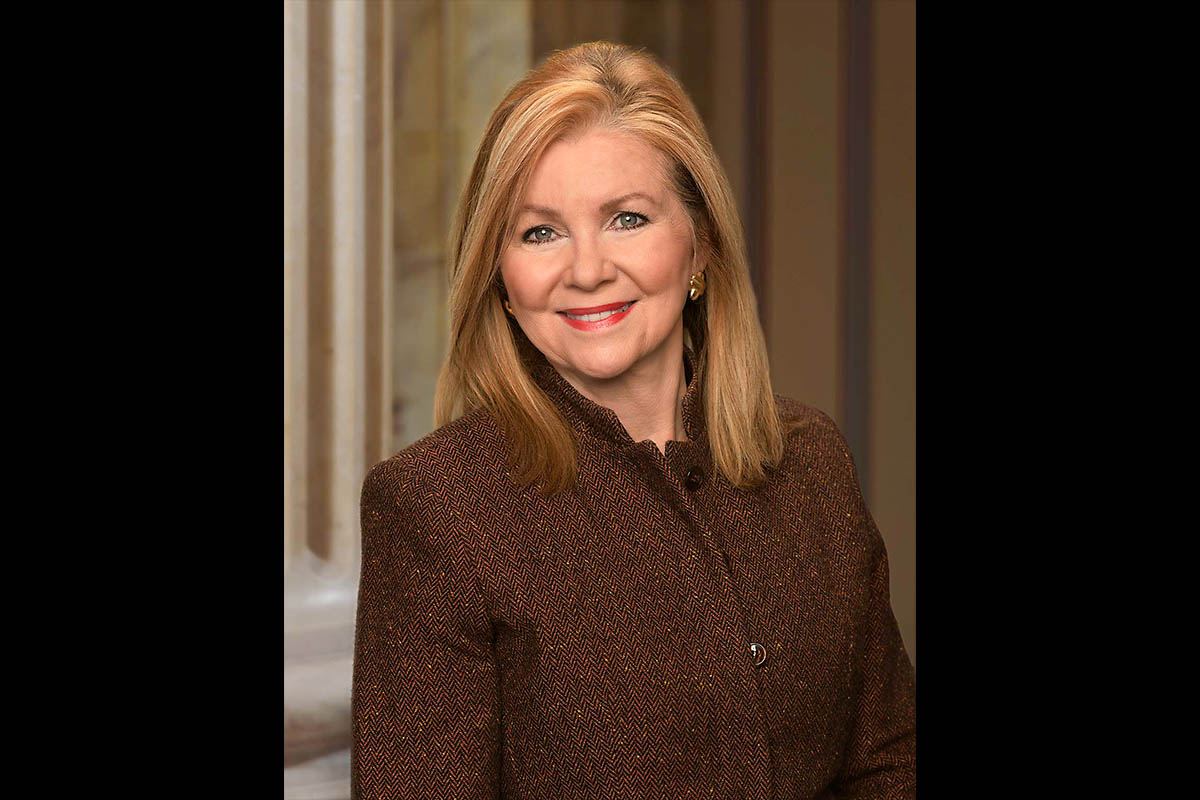
Written by Marsha Blackburn
U.S. Senator
 Washington, D.C. – If you’ve ever bought tickets for a concert, sporting event, or show, you are likely all too familiar with the broken state of online ticket selling. Scalpers, using AI-powered bots and software programs, scoop up hundreds and even thousands of tickets at a time, forcing some events to sell out within minutes.
With no other options, consumers are forced into secondary markets, where scalpers mark up ticket prices to exorbitant rates.
Such practices can have disastrous consequences for the ticket-selling market. In 2022, Ticketmaster’s website crashed after scalpers used bots to purchase thousands of tickets, reselling them by as much as 70 times their face value. One of the scalpers involved in the fiasco, Maryland-based Key Investment Group, purchased at least 379,776 event tickets over the course of a single year, clearing millions of dollars in markup resales.
These scalpers add zero value to the ticket-selling market. Fans are encouraged to see their favorite singers, teams, and entertainers. Performers don’t see a dime of the money they skim. And the practice is entirely illegal.
In 2016, I led the enactment of the Better Online Ticket Sales Act, or BOTS Act, which prohibits ticket scalpers from using software to purchase high volumes of tickets. Yet under the Biden administration, the Federal Trade Commission (FTC) rarely enforced the law.
Ticket sellers like Ticketmaster, meanwhile, turned a blind eye to scalpers who bypassed their safeguards to prevent mass ticket buying. In some cases, the company allegedly engaged in “bait-and-switch” schemes with scalpers to drive up ticket prices. Live Nation, the company that owns Ticketmaster, even provided technological support for scalpers by helping them aggregate tickets purchased from multiple Ticketmaster accounts.
The reason is simple: If Live Nation enforced its ticket purchasing limits, the company stood to lose up to $220 million in resale revenue each year. Instead, by working with scalpers, it was able to collect fees at three different points in the purchase and resale process.
This extortion of the American people is inexcusable—which is why Republicans and the Trump administration are hard at work demanding accountability from ticket sellers and cracking down on fraudsters.
In September, I sent a letter to Live Nation’s president demanding answers about his company’s abusive practices toward consumers. And this week, I will chair a hearing for the Senate Commerce Subcommittee on Consumer Protection, Technology, and Data Privacy on live performance ticket sale practices.
We’ll have the opportunity to hear from performers like Kid Rock about how bot scalpers harm the entertainment industry. I’ll also question a representative of Live Nation, who will have to explain why his company is putting fraudsters ahead of hardworking Americans.
At the same time, the FTC under President Trump and Chairman Ferguson has launched several enforcement actions under the BOTS Act, including against Live Nation, Ticketmaster, and scalpers like Key Investment Group. Unlike the Joe Biden administration, the Donald Trump administration is enforcing the BOTS Act as intended to hold accountable both ticketing platforms and scalpers.
In the Senate, I also introduced the MAIN Event Ticketing Act, which would give the FTC additional tools to go after bad actors. Among its provisions, it would mandate reports from ticket sellers about successful bot attacks, require the FTC to share consumer complaints submitted through their website to state attorneys general, and enact data security complaints for online ticket sellers. The Commerce Committee passed this bipartisan legislation last year, and I look forward to getting it to President Trump’s desk as soon as possible.
In the entertainment industry, nothing is more important than the relationship between the performer and their fans. With their exploitative practices, bot-powered scalpers threaten this essential bond. Republicans are doing everything possible to ensure these criminals are held to account.